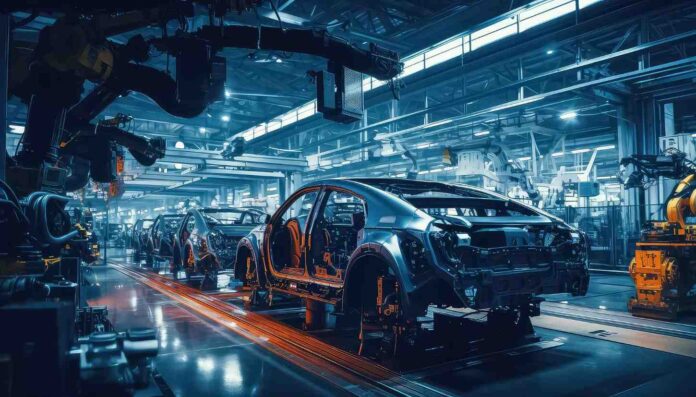


The automobile industry stands as one of the most influential sectors shaping global economies, urban development, and modern lifestyles. From early mechanical vehicles to today’s intelligent mobility systems, automobiles have continuously evolved to meet changing consumer demands and technological advancements.
In today’s fast-paced world, automobiles are no longer just transportation tools—they represent innovation, sustainability, and digital transformation. Understanding how the automobile industry works and where it is heading provides valuable insight for consumers, investors, and enthusiasts alike.
Evolution of the Automobile Industry
The automobile has undergone a remarkable transformation over the last century. What started as basic engine-powered vehicles has now become a sophisticated ecosystem of smart, connected machines.
Key phases of evolution include:
- Mechanical Era: Early automobiles focused purely on engine functionality and basic transportation.
- Mass Production Era: Assembly line manufacturing made vehicles more affordable and accessible.
- Technological Era: Introduction of electronics, fuel injection systems, and safety features.
- Digital Mobility Era: Integration of AI, automation, and connectivity features.
Each stage has contributed to making automobiles safer, faster, and more efficient than ever before.
Core Components of Modern Automobiles
Modern automobiles are complex systems made up of interconnected components that ensure performance, safety, and comfort.
1. Engine Systems
The engine remains the heart of any vehicle, converting fuel into mechanical power. Today, engines are designed to be more fuel-efficient and environmentally friendly.
2. Transmission System
This system transfers power from the engine to the wheels, ensuring smooth acceleration and control.
3. Safety Mechanisms
Modern vehicles are equipped with:
- Anti-lock braking systems (ABS)
- Airbags
- Electronic stability control
- Collision detection systems
4. Electronic Systems
Digital dashboards, sensors, and onboard computers enhance driving experience and provide real-time data.
Technological Innovations in the Automobile Sector
Technology is reshaping the automobile industry at an unprecedented pace. Vehicles are becoming smarter, safer, and more connected.
Electric Vehicles (EVs)
Electric mobility is one of the most significant shifts in the industry. EVs reduce dependency on fossil fuels and minimize environmental impact.
Autonomous Driving
Self-driving technology uses sensors, cameras, and AI algorithms to navigate roads with minimal human intervention.
Connected Cars
Modern automobiles can now connect to the internet, enabling features such as:
- Real-time traffic updates
- Remote diagnostics
- Smart navigation systems
Artificial Intelligence Integration
AI improves driving efficiency, enhances safety systems, and personalizes user experiences inside vehicles.
Factors to Consider When Choosing an Automobile
Selecting the right vehicle requires careful evaluation of several factors to ensure long-term satisfaction and value.
Important considerations include:
- Fuel efficiency and running cost
- Safety ratings and features
- Maintenance requirements
- Resale value
- Purpose (personal, commercial, or luxury use)
A well-informed decision helps buyers avoid unnecessary expenses and ensures better performance over time.
Sustainability and the Future of Automobiles
Sustainability is now a central focus in the automobile industry. Manufacturers are shifting toward eco-friendly solutions to reduce environmental impact.
Key sustainability trends include:
- Expansion of electric and hybrid vehicles
- Development of hydrogen fuel technology
- Lightweight and recyclable materials
- Green manufacturing processes
The future of automobiles is expected to be cleaner, smarter, and more efficient, with reduced carbon emissions and improved energy usage.
Frequently Asked Questions (FAQs)
1. What defines a modern automobile?
A modern automobile integrates mechanical systems with digital technologies such as sensors, AI, and connectivity features for improved performance and safety.
2. Are electric vehicles better than fuel-based cars?
Electric vehicles are more energy-efficient and environmentally friendly, though their suitability depends on charging infrastructure and usage needs.
3. What is the role of AI in automobiles?
AI enhances autonomous driving, improves safety systems, and provides personalized driving experiences through smart data analysis.
4. How important is fuel efficiency in automobiles?
Fuel efficiency is crucial as it directly affects running costs, environmental impact, and long-term savings for vehicle owners.
5. What is the future of the automobile industry?
The future is focused on electrification, automation, and connectivity, leading to smarter and more sustainable transportation systems.
Conclusion
The automobile industry continues to evolve rapidly, driven by technological innovation and changing consumer expectations. From traditional engines to intelligent electric systems, automobiles are becoming more efficient, sustainable, and digitally advanced.
As the world moves toward smarter mobility solutions, staying informed about industry trends helps individuals and businesses make better decisions in this dynamic sector.