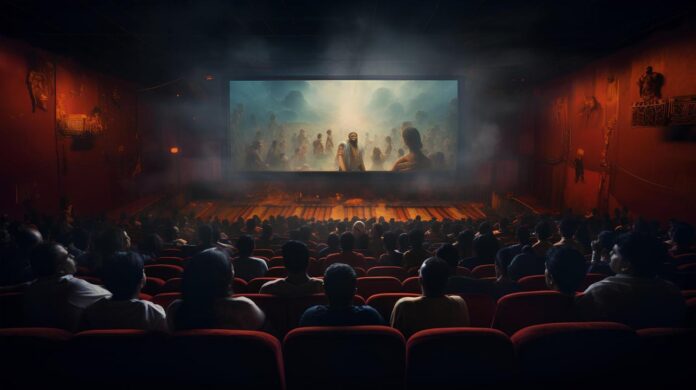


For over a century, the word movies evoked a very specific image: a dark room, a massive screen, the smell of buttered popcorn, and a shared collective experience. However, the entertainment landscape has fundamentally changed. Today, the film industry operates on a dual axis where traditional movie theaters and digital streaming platforms constantly redefine how stories are told and consumed.
This is not a simple story of one medium replacing another. Instead, it is an sophisticated evolution of consumer habits, technological distribution, and financial models. To fully grasp where cinema stands today, we must examine the delicate balance between the theatrical window and the comfort of home streaming.
The Resurgence of the Silver Screen: Why Theaters Still Matter
Reports of the death of movie theaters have been greatly exaggerated. While streaming provides unparalleled convenience, the cinematic format continues to hold a distinct advantage for cultural impact and massive financial windfalls.
According to market data from Gower Street Analytics, the global box office is projected to reach approximately $35 billion, demonstrating a robust post-pandemic recovery for theatrical releases. Audiences are showing a clear willingness to leave their living rooms, provided the theatrical experience offers something unique.
The current theatrical market thrives on specific factors:
- The “Event” Factor: Major blockbusters, particularly high-concept sci-fi epics like Project Hail Mary or massive animated releases like The Super Mario Galaxy Movie, rely heavily on premium formats like IMAX and Dolby Atmos to justify the ticket price.
- The Prestige & Culture Machine: A traditional theatrical run creates a level of cultural conversation, critical prestige, and media coverage that direct-to-streaming titles rarely replicate.
- Sequential Revenue Generation: The high-end theatrical window serves as the ultimate marketing campaign, significantly boosting a film’s value and viewership metrics when it eventually transitions to digital platforms.
The Streaming Dominance: Frictionless Consumption
On the other side of the ledger, streaming platforms have permanently altered baseline audience behavior. If cinema is where movies go to become events, streaming platforms are where movies integrate into daily routines.
Recent consumer surveys indicate that roughly 46% of viewers prefer watching feature films at home, compared to just 15% who prioritize the theater as their default choice. This massive preference gap is driven primarily by convenience. Streaming removes physical friction—allowing audiences to pause, break content into segments, and skip travel costs entirely.
Furthermore, the window of theatrical exclusivity has compressed significantly. The traditional 90-day gap between a theater premiere and a home release has shrunk to an average of 40 to 45 days. With such a short waiting period, a large segment of the population opts to wait for home distribution unless a film has generated massive social media urgency.
Live-Action vs. Animation: A Divided Streaming Strategy
Interestingly, data reveals that streaming performance varies significantly depending on the genre of the film:
| Film Format | Streaming Viewership Trend | Industry Strategy |
| Live-Action | Direct-to-streaming titles consistently outperform theatrical transfers by 30% to 41% in initial digital views. | Studios lean toward direct digital releases for mid-budget dramas, comedies, and original concepts. |
| Animation | Theatrical animated features vastly outperform direct-to-streaming counterparts upon entering the digital window. | Major studios like Disney have pulled back on direct-to-streaming animation, routing premium family content through theaters first. |
This data proves that a hybrid distribution model is becoming the standard. Theatrical runs and digital streaming are no longer competing in a zero-sum game; instead, they operate as sequenced stages of a single, unified monetization strategy.
5 Frequently Asked Questions (FAQs)
1. Are movies on streaming platforms lower quality than theatrical releases?
Technically, direct-to-streaming movies often face greater compression rates affecting audio and visual bitrates. However, with the rise of 4K HDR home displays and advanced spatial audio setups, the experiential gap between home viewing and mid-tier commercial theaters has narrowed significantly.
2. What is the average theatrical window for movies today?
The theatrical window currently averages between 40 and 45 days for major studio releases before they transition to video-on-demand (VOD) or subscription streaming platforms, a sharp decline from the pre-pandemic 90-day standard.
3. Why do animated movies perform better when released in theaters first?
Theatrical releases build massive brand equity and parental awareness. When a highly publicized animated film finally lands on a streaming service, it benefits from a built-in audience, leading to high repeat-viewing metrics from families.
4. Do streaming services make money from original movies?
Yes, but their financial model relies on subscriber acquisition, retention, and increasingly, ad-supported tier revenue, rather than individual ticket sales or direct box-office metrics.
5. Will movie theaters eventually close down completely?
No. Theaters are successfully shifting from a volume-based business model to an event-driven experience, relying on premium formats, luxury seating, and high-profile cinematic events to maintain profitability.
Best Movie Service
The definition of how we watch movies is no longer fixed. The modern film industry is a sophisticated ecosystem where cinema builds the cultural mythos and streaming provides long-term, accessible consumption. For filmmakers, studios, and cinephiles alike, this hybrid landscape offers the best of both worlds: the unmatched scale of the silver screen and the endless library in the palm of your hand.