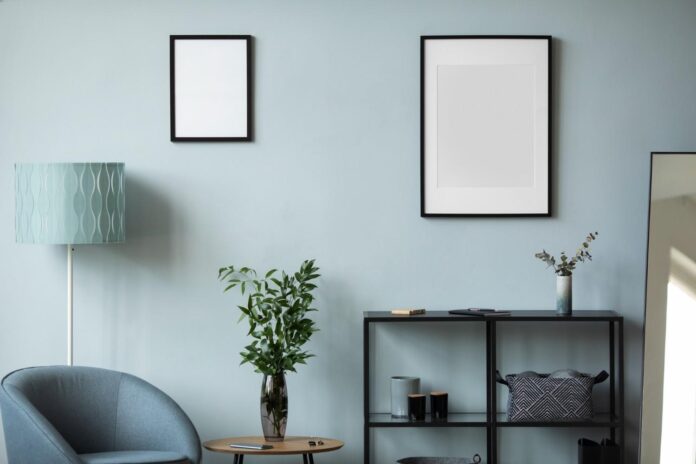


Designing a truly exceptional interior involves much more than just picking out high-end furniture or matching paint swatches. Beautiful spaces succeed because they rely on a deep understanding of scale, architectural geometry, visual weight, and spatial flow. When you enter a professionally curated room, everything feels balanced because every element—from the large layout down to the smallest accent piece—works together within a unified design framework.
As homeowners look to upgrade their living spaces, moving away from temporary internet trends in favor of timeless design rules is essential. Truly elevated Home Decor requires treating your interior as a living, interconnected ecosystem. By mastering spatial layouts, texture combinations, and architectural lighting, you can turn a basic floor plan into an intentional expression of luxury and comfort.
The Foundation of Spatial Geometry and Visual Weight
The biggest mistake made in residential design is misjudging scale. A room can quickly feel cluttered or empty if the furniture and decorative items do not match the physical dimensions of the architecture.
Balancing the Horizon Line
Every room has an invisible horizon line that dictates how eye movement flows through the space. To keep a layout balanced, you need to mix low-profile furniture—like a deep, modern sectional—with taller elements like floor-to-ceiling drapery, built-in bookshelves, or large-scale artwork. This structural contrast draws the eye upward, highlighting your ceiling height and making compact rooms feel much more open and grand.
Negative Space as a Design Choice
In high-end interior architecture, what you leave empty is just as important as what you fill. Negative space provides a visual resting place for the eyes, allowing your statement pieces to truly stand out. Instead of lining every wall with furniture or covering every shelf with knick-knacks, leave intentional gaps around key items to create a gallery-like, premium atmosphere.
Best Home Decor Layering Textures and Mixed Materials
When you work with a neutral or monochromatic color palette, texture becomes your primary tool for adding depth and warmth. Without a smart mix of materials, a minimalist space can quickly feel cold, clinical, and uninviting.
Achieving a professional look relies heavily on tactile contrast. Combining entirely different surface textures creates a rich, sophisticated aesthetic:
- Pairing raw, open-grain white oak with smooth, polished Calacatta marble.
- Softening sleek, cold industrial metals with warm, rich textiles like boucle, heavy linen, or distressed leather.
- Placing hand-fired ceramic vases next to clean, geometric brushed-brass fixtures.
These contrasting elements stop a room from looking flat. The interplay of rough and smooth, matte and glossy surfaces keeps your home visually interesting even without bright colors.
Architectural Lighting as a Layered System
Lighting is the ultimate element that ties your entire interior scheme together. A single, bright overhead light source can instantly ruin a room’s mood by washing out textures and flattening dimensions. Professional decorators build atmosphere by layering lighting across three distinct levels.
Ambient Base Lighting
This is your general, overall illumination. Instead of relying on a grid of harsh recessed spotlights, opt for architectural solutions like hidden LED cove lighting, drop pendants, or large drum fixtures equipped with soft, warm-diffusion bulbs.
Functional Task Lighting
This layer targets specific work zones. Think of clean, directional articulating lamps over a reading chair, hidden under-cabinet LED strips in a kitchen workspace, or adjustable brass sconces framing a bedroom headboard.
Strategic Accent Lighting
This is where lighting functions purely as a decorative tool. Using subtle uplights behind large potted plants, directional picture lights over fine art, or illuminated cabinet interiors draws attention to your home’s architectural highlights and curated focal points.
Integrating Biophilic Design and Organic Elements
Modern luxury design increasingly focuses on wellness and our innate connection to the natural world—a philosophy known as biophilic design. Bringing nature indoors does more than just look beautiful; it actively reduces stress and improves indoor air quality.
To execute this properly, avoid scattering small, plastic planters around the house. Instead, invest in substantial, live structural greenery like a mature Fiddle Leaf Fig, a statement Bird of Paradise, or a dramatic olive tree planted in an oversized terracotta or concrete vessel. Combine these living elements with natural materials like travertine stone, woven rattan, and organic cotton to create a serene, grounded sanctuary.
Frequently Asked Questions (FAQ)
1. How do I choose the right rug size for my living room?
A classic mistake is buying a rug that is too small, which can make the room look tiny. In a standard living room layout, ensure the rug is large enough so that at least the front legs of all major seating pieces rest securely on top of it.
2. What is the golden rule for hanging wall art?
Art should always be hung at human eye level. A great rule of thumb is to ensure the vertical center of the artwork sits exactly 57 to 60 inches from the finished floor. If you are hanging a piece above a sofa, leave roughly 6 to 8 inches of clearance between the bottom of the frame and the top of the furniture.
3. How can I mix different wood tones without things clashing?
To mix wood tones like a pro, identify the dominant undertone of your room (warm, cool, or neutral). Once you know your base, you can introduce accent woods that contrast nicely while sharing that same undertone. For instance, pair a cool gray-toned oak floor with a rich, dark walnut coffee table.
4. What is the difference between warm and cool lighting in a home?
Lighting temperature is measured in Kelvin (K). For living spaces, bedrooms, and dining areas, aim for warm, inviting light between 2700K and 3000K. Save cooler, crisp daylight tones (3500K to 4000K) for task-heavy spaces like home offices, laundry rooms, and utility workshops.
5. How can I make a low-ceiling room feel significantly taller?
To create the illusion of height, mount your curtain rods directly below the ceiling line rather than right above the window frame, and let the fabric drop all the way to the floor. Additionally, using low-profile furniture and painting your walls and ceiling the exact same color eliminates hard visual boundaries, opening up the space.
Ready to Transform Your Living Space?
Creating a balanced, magazine-worthy home is an evolving journey that blends technical rules with your own personal story. By focusing on smart scaling, rich texture combinations, and layered architectural lighting, you can easily move past temporary trends and design a space that looks sophisticated and feels uniquely yours. If you are ready to elevate your surroundings, dive into our expert styling guides, source timeless furniture pieces, and begin crafting an environment that inspires you every single day.